Art of Writing

You must stay drunk on writing so reality cannot destroy you.

Ray Bradbury from Zen in the Art of Writing

You know what, I’ve been thinking about this post. The question I’m left with is, “What if you enjoy your reality?” There was a time when I wrote to escape my reality. And for where I was, it was a good choice. I have no regrets, but I’m not in the same place today. I like waking up. I like coming home to my family. I like my job and the things I do to serve my community. I like my bed and my pillows. I live a content life. Not that I want to live stagnantly. Not that I’m not driven to achieve my goals. I am ambitious and I am driven.

On the flip side, when it comes to editing my novel, I function best when I’m working on it everyday. Reading, rereading, closing gaps, and filling in blank spaces. When I’m curious about it, and thinking about how to fix the problems throughout the day. That is where this quote lives in my head. Stay drunk on writing so that reality doesn’t pull you away from finishing your book.

What are you working on?

Drunk on Writing

One more lunch with Jayne in the bag.

Today I asked, what you would do uninterrupted? I know handsdown, I’d read and write. I’d go hard for a couple days then sleep and go out for food, but mostly I’d read and write. If I did anything else it’d only be for my writing. What beautiful writing it makes to live that way. Imaging living a life worth writing about everyday. So intentional. So present. That’s what we do.

“You must stay drunk on writing so reality cannot destroy you”. 

Ray Bradbury from Zen in the Art of Writing

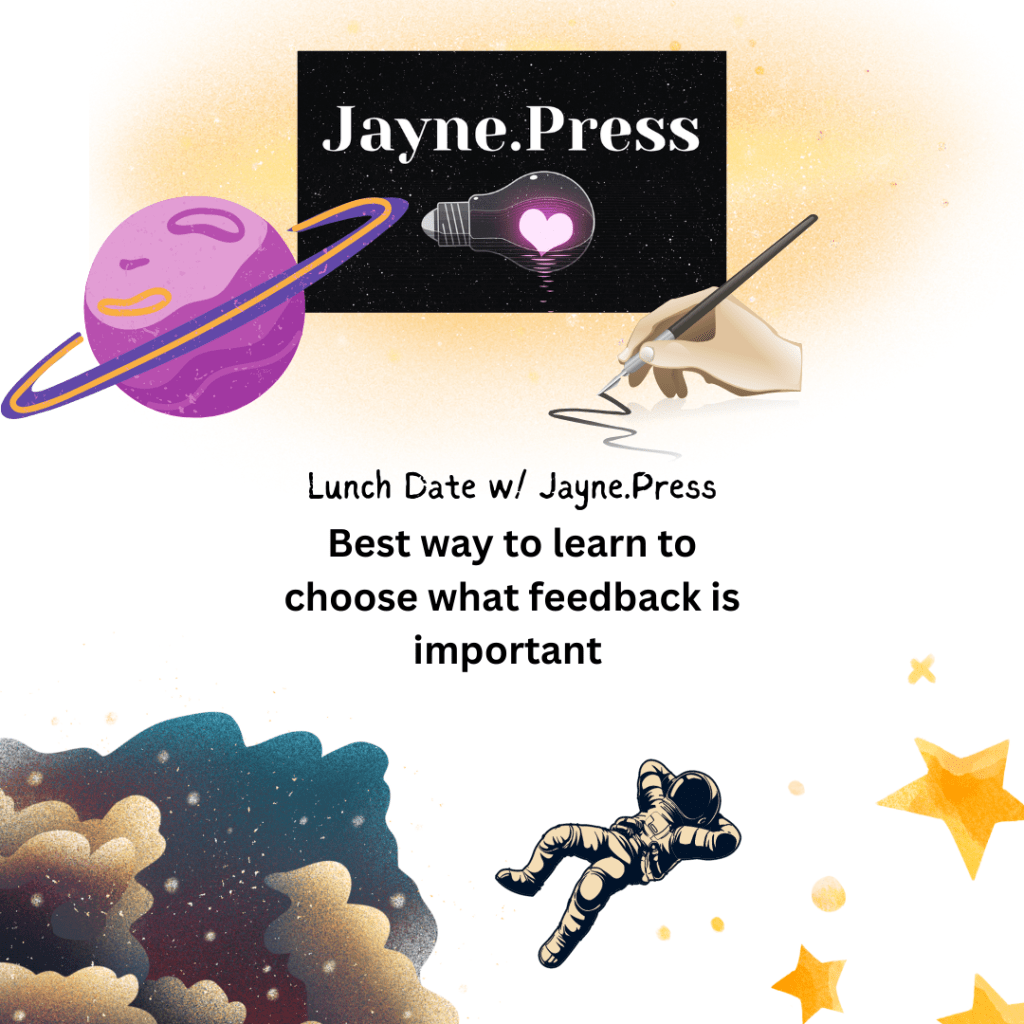
Lunch w/ Jayne

Tomorrow June 14 at 12:15est

I was feeling a little under the weather today so I’ve been cruising social media and watching Star Wars today. A video came up and the woman in the video asked, “What would you do uninterrupted?” What would you be still working on if you never got interrupted? Whether it be interrupted from those negative voices in your head, something someone said to you, or whatever else it could be. What would you be doing if you were never interrupted?

That’s what I’d like to discuss tomorrow 😀

https://www.instagram.com/jayne_press/ <— This is where you’ll find me at 12:15 est

On Writing a Daily Journal

I have been working on journaling everyday for years. At first I journaled all in the same place whether it was a novel journal or a daily thought, or research effort. Then I separated them all. And now I have a place where daily journaling is it’s own thing. This year I was really digging all the new journals coming out so created a handwritten template with questions to get my wheels turning. I love the template I came up with but with all the questions, it took a lot of paper and time. That’s when I created an online template. It was colorful with check boxes and made me happy to use. I enjoyed doing it that way for a while. But progress is good, right? Now, I’m using Google Forms. It’s working ok. The only thing is sometimes I forget to click the submit button. so I didn’t get a couple days tracked. However, it does save my answers if I leave the browser and return later or if I switch over from my phone to my computer. That’s actually really nice since part of my journaling is food tracking.

Journaling helps me keep in touch with and learn myself. It helps me prepare for my day ahead and helps me work through my tough days.

How do you journal? Even with my google form journaling, there are days when I pull out my pen and paper because it just feels better that way.

Support Other Writers

Writing Groups 101

This is one of the most important parts. I’m not going to lie, I have points in my life where I can read tons and tons of things from comic books to Journal articles. BUT with that comes struggling through even just a few pages in other points of my life. It’s important to be mindful of what you have to give. And to set time aside where you can give intentional and thoughtful feedback. It’s not just receiving tips to improve your writing that helps with your craft. Teaching and giving mindful guidance to your peers is one of the best ways to learn. So make sure when you sign up for the group, that you will be able to invest the time needed to support your fellow writers.

It’s not just taking time to read and support other writers, it’s also respecting their boundaries. One of the things I learned in college is that it is important to be clear about what type of feedback you’re looking for. I say this to remind you that it’s important to honor boundaries when giving feedback. If someone isn’t looking for grammatical correction focus on what they are looking for.

With all that being said, there are different types of reading groups. Some read their work while they are there. That’s a great option, for people who don’t want to read at home between groups. Find a group that best fits your lifestyle.

The Scary First Time

The first time I attended a writing group, my voice shook. I was nervous. I had no idea how to gauge myself as a writer. I also had been home for a while so I wasn’t as social at that time in my life. Let me tell you, I was scared. I was scared to receive feedback, give feedback, read outloud, even just to speak casually among the writers in the group. Some people may go to these group and be fearless. But it wasn’t that way for me. I still get nervous with new groups for the first time.

It’s ok to be scared. It’s ok to save your most vulnerable piece for only those you trust. It’s ok to only share what you feel comfortable sharing.

Trust your gut. If you’re feeling that writing group isn’t a good fit, leave it. But you’ll never know until you try!

Don’t let the fear of striking out keep you from playing the game.

Babe Ruth

Writing Groups -Showing off

and how to do it!

Writing groups are a place where the best practice is sharing: feedback, knowledge and experience and your work. What’s not suggested is treating someone’s manuscript as if your Simon Cowell on The X Factor. Unless the writer asked for every single mistake and missed quotation mark, keep feedback focused on a few important points. It’s good to find a nice variety of feedback to give. Here’s some examples: how you relate to something in the story, what you really liked, a few ways to improve formatting, where you get confused or pulled away from the story, and maybe even take time to discuss some metaphors or fun philosophical ideas.

What inspired this post was a slide I shared on Instagram the other day that says, “It’s not about showing off your writing skills.” I have to admit there are great ways to show of your writing skills. One sure way to show confidence is by using tact when engaging with writers who are giving you feedback. Jot their thoughts down. Respect their level of writing knowledge. Another great way to show of your writing skills is by being vulnerable. Let yourself have fun and learn something from everyone.

I’m saying make the connection with those around you more important than name dropping.


If you did get a moment to brag about your writing experience, what would you say?

Choosing What Feedback

Writing groups provide the “Best way to learn to choose what feedback is important.”

What do I mean by this?

Well, let me start with a little writer’s community gossip. There’s a story going around that Hans Christian Andersen fell on his face and sobbed from getting critical feedback about his writing. (I’ve been there, he’s not alone.) What’s amazing is that now his writing is a huge part of our culture. He wrote: The Little Mermaid, The Ugly Duckling, Thumbelina the list goes on. The point here is, sometimes people are wrong about your writing. At the same time some feedback is worth keeping and tucking into your back pocket for both your current work and futures pieces. That doesn’t mean some feedback is invaluable.

All feedback has value in some way.

It’s valuable because giving and receiving feedback can help you develop connections with other writers. Coming to an understanding feels good. Feels like you accomplished being heard. On top of that, your feedback may not help the writer you’re speaking directly to, it can also help those around that are listening. Which is the point! The learn and grow as writers as a community.

I was always nervous when I attended writing groups. I still get nervous attending new writing groups. It took me years to find my own little bubble of confidence. It also took reading a lot of books and philosophers. Something about philosophers trying to get their theories heard helped me feel better as writer. I’m also very interested in philosophy so it’s a double motivator.

Check out my post on instagram where fellow writers shared their thoughts and experiences when it comes to writing groups.

Over the Next Week

We’ll dig in a little more.

I’m going to go over the conversation starters over the next week. I think we can keep working on this subject and keep developing some really great ideas for writers. It’s important to have solitude while you write and think and create, but it’s equally important to include others on your journey. This is how we learn and grow as humans. It took me a long time to find a good balance. I was 100% for having people around as much as possible. I was always with friends and family. Always out being busy and didn’t say no very often at all. And then…. I stopped all of that. I spent years saying no to everything. I stopped talking to people. I isolated quite a bit. But I think it was important for me to do that at that time in my life. I was exhausted and healing from burnout. So now that I’ve been on both ends of the spectrum, my focus is to be intentional about my time. If I’m going to say yes to something, I want to be fully engaged. This is where writing groups come in. Writing and writers bring me joy. They help me and those around me become even better writers and at the same time, better people. This is something I want to be intentional about.

So I’d like to dig in a tad bit more about writing groups.

Get Perspective

I’ve been talking about writing groups for a couple days now so I thought tonight would be a good night to share another writers input on writing groups. Author Joani Elliott says something I love. She says,”Writing can be a lonely endeavor and a good writing group can help provide needed strength, feedback and perspective to be successful.” !! I’ve added her link to this post. She shared a wealth of information in that article so make sure you go check it out.

My first writing group, I was so nervous. After the first meeting I left with more confidence in myself. After meeting for several months, I left excited to be a part of a group with such gifted writers. It helped me to shift from looking mostly at myself to truly admiring the artists and creators around me.

Tomorrow I’d like to hear more about your experience with writing groups.