It’s not always easy but when you can, rise above the negativity. This takes extra effort during high pressure times. It’s very easy to get swayed one way or another especially emotionally. When things get chaotic around you, focus on your values and your disciplines. Let everything else fall to the wayside.
Character Development

Let’s talk about character development. Some stories are character-driven. Other stories are driven by worlds. I tend to lean heavily into character building and then balance it out with some world building while I edit. It’s more difficult for me to do with a fully written novel. Still worth it!
The first thing I ask myself is, “Does my character have flaws?” This is one of the first things I look for in my characters. I fall into the perfect character trap all the time. My main character never speaks up. It bothers people, but the truth is, she’s scared to take up space to the point of her own demise. That’s what she’ll have to learn. And I hope my readers are eager walk along that journey with her.
What’s your character’s weakness.
Selfcare Trend

Tonight, my selfcare consisted of hot tea with my writing, and once my writing is done, I’ll be lounging around in the A/C. Selfcare is one of the greatest tools that I’ve added to my toolkit. It’s interesting to me that it has become so trendy, but the truth is that these techniques have been around for a long time. Information is way more accessible now which explains how everyone caught on so quickly. I think it’s awesome when anything that increases overall well-being becomes popular. I hope it stays so long that someday youths say, “I can’t believe they ever lived without selfcare.” I hope taking complete care of yourself becomes baseline for cultural expectation in America. I personally think we are well on our way there.
Just Keep Writing
In the chunk of years I have written, the one thing I have learned to do is to just keep writing. Doesn’t matter what or how or when, just do it. Accept all the notes, blurbs, and creative writing cravings that need to be released. They are all one more addition to the masterpiece.
Sometimes I’m afraid I’ve spent too much time on my novel. Sometimes I’m afraid of writing romance. At the end of the day, I gotta let it evolve alongside me. Writing is what it is. I have no profound statement. Keep writing is all I got today. Truth be told, those words are far more valuable to me after years of seeing my work accumulate and my confidence grow. Even now my confidence wavers but not enough to keep me from writing.
Hot Summer
It’s been a hot summer. I’m not complaining about it. I have appreciated wearing dresses and taking a couple dips in the pool. I like that the my girl are around and rested and we’re not racing around after long days of school to squeeze in one more activity. I appreciate a lot about summer.
But Winter
O boy do I love having three blankets on. I love sweaters and I drink my coffee hot year around. I’m a fan of change and seasons changing But I’m really a fan of Fall, Winter, and Spring.
What’s your favorite season?
Today’s Lesson
Encouraging those around you is a gift. It’s ok to be that person that reminds people of how great and worthy they are. Especially if you’re willing to accept the truth. Those tiny truths that can easily throw off our entire day. The big ones that derail our lives. The fragility that humanity comes with. These things make it almost imperative for me to gently uplift those around me as often as I can.
Today I started to complain about being uplifting. After I quickly realized how important it is for me to uplift my spouse and children and my friends, I took it back. Then took the time to redirect my thoughts to my creative endeavors. And what a way more fun conversation that was!
So tell me about your creative endeavors!
Successful Four-Day!

My four-day has come to an end. To celebrate a great four day, I took an extra long day of solitude. Before my day even started my oldest made cookies!! They were so good. I had a cup of coffee then I ran a couple errands. I’m still in search of a keyboard. I thought maybe staples would have a nice variety but they only had one that came close and it wasn’t good enough to not be pink. Then of course I had to check out the thrift bookstore which required me to sit through a ton of unexpected traffic. Wandered around some craft stores for the joy of it. And then went to Panera to read and write. I’d say today was a great day.
My Weekend Isn’t Over Yet
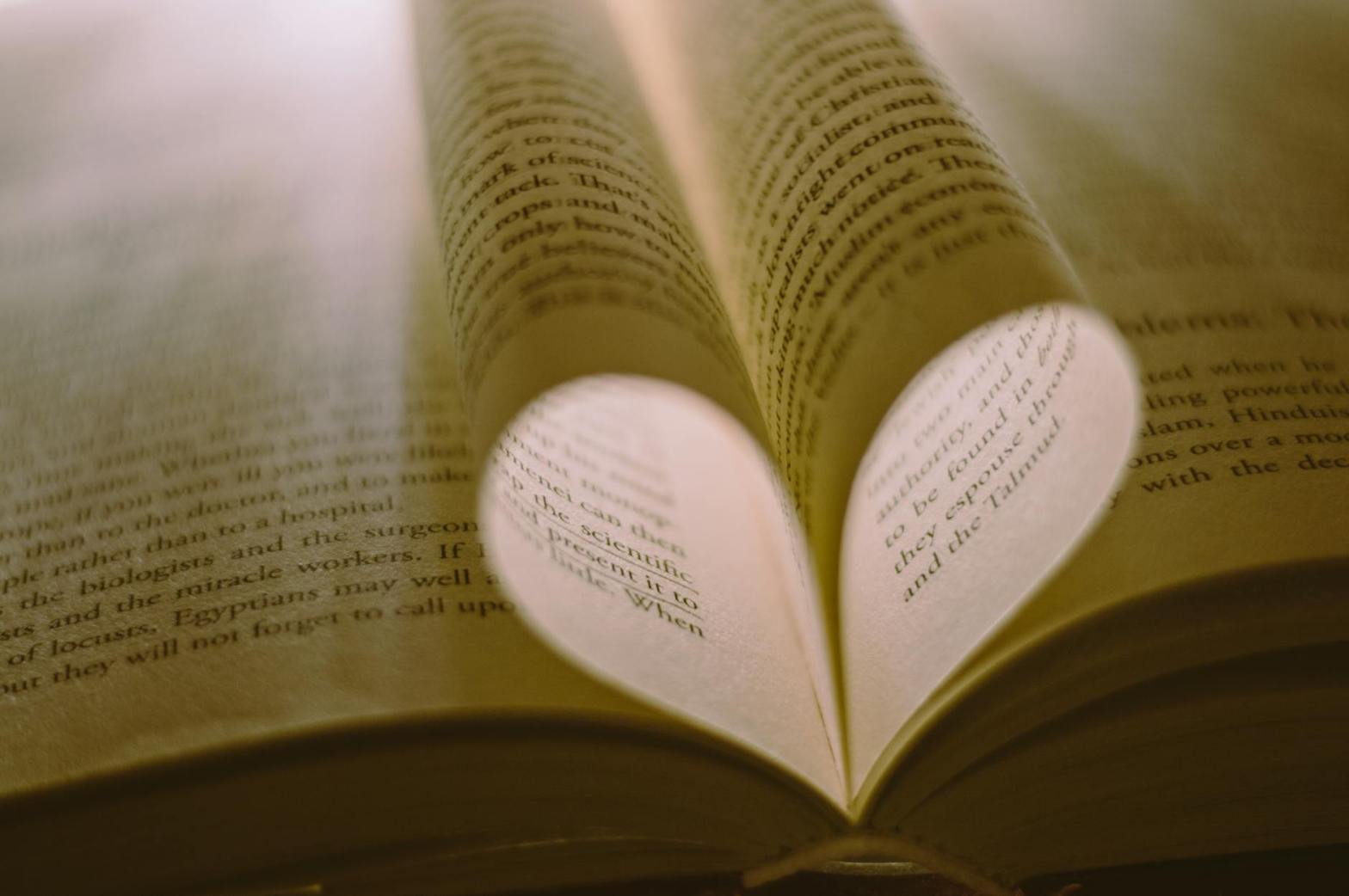
I still have one more day to sleep in and enjoy the day as I please. This four day has brought me so much inspiration for my writing. Went down memory lane quite a bit. I can’t believe I’ve been writing for 10 years now. I have been so many places and met so many writers it’s unbelievable for me. I don’t feel like a master and I’m not as confident in my craft as I’d like to be but I still have appreciated this journey. And I look forward to seeing where novel writing takes me in my future.
Ergonomics
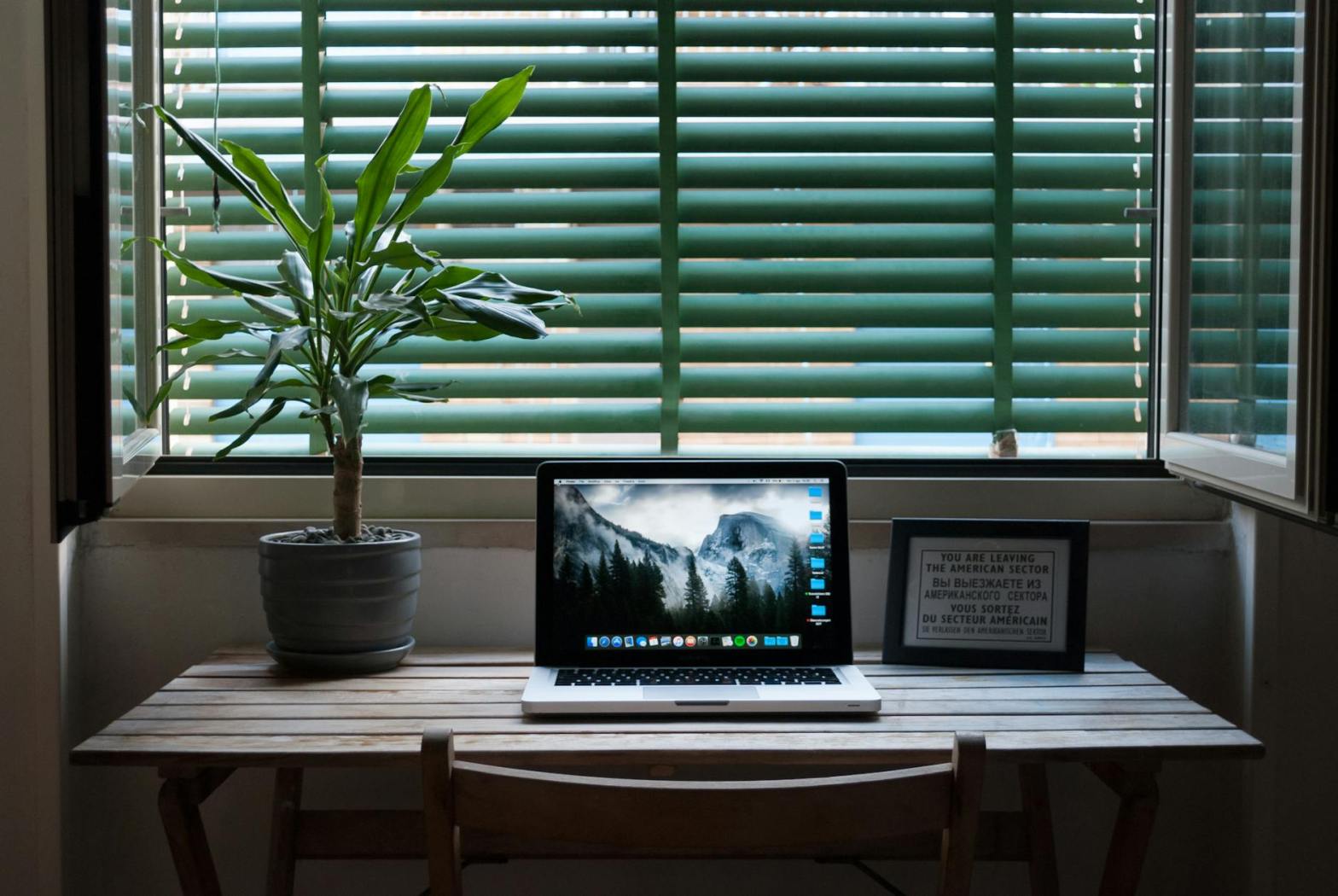
Since covid, I started writing in bed and I’m starting to feel it. I’m going to have to figure out how I can get my writing done while sitting in a better place that has very little distraction. I have been thinking about changing my set up for a while. I just haven’t done it. I do have a desk but right now I don’t have a chair for it and the entire point is to have better lumbar support.
Whatever I decide, I’ll have to figure it out soon because my back and shoulders aren’t very happy with me. How’s your writing space? Do you invest in a more ergonomic writing space?
Happy Fourth of July!
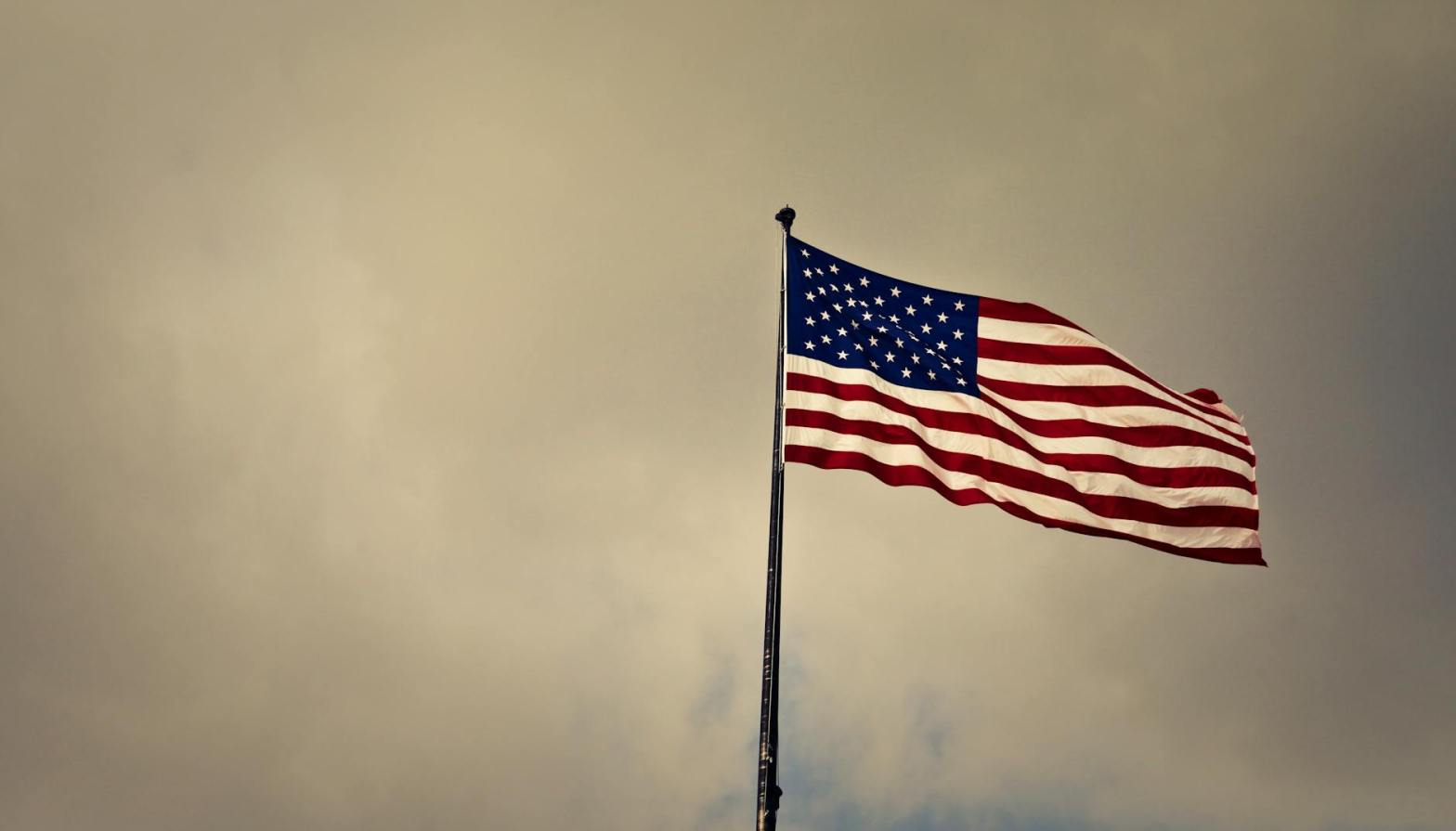
I wish everyone a safe and happy Independence Day.
 Jayne.press