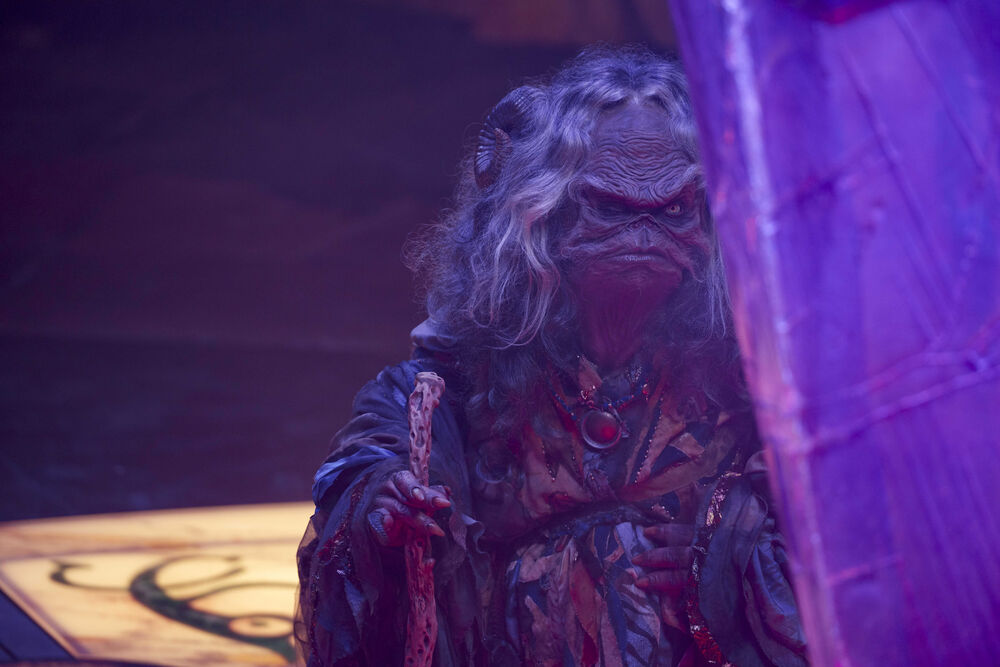
I am Mother Aughra! I am Thra!
https://darkcrystal.fandom.com/wiki/Aughra
Aughra from Dark Crystal is “a voice to the stones and eyes to the forests.”
A place where you can be human.
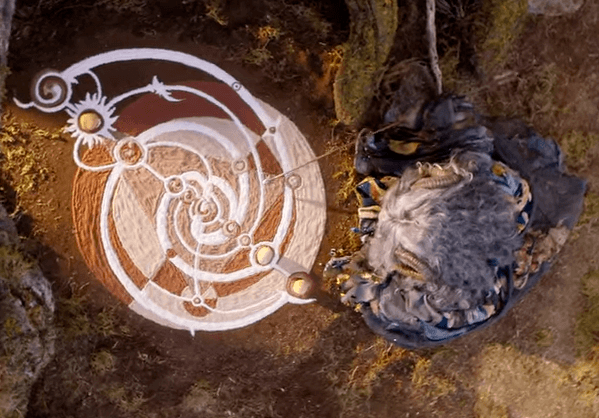
I am Mother Aughra! I am Thra!
https://darkcrystal.fandom.com/wiki/Aughra
Aughra from Dark Crystal is “a voice to the stones and eyes to the forests.”

The world is full of people who think they know what’s better for you, but you know what’s best for you. You’ve fought yourself long enough. You don’t need to fight others too. You’ve trudged through murky spaces and up mountains many have yet to climb. Build your world with so much integrity and passion and love they can’t help but watch you rise.
Even when you’re learning new things, it’s ok to do what creates success for you. Take the road less traveled. Use the materials that make you smile when you’re doing the work. You want glitter and gem stones on your folder because they tickle your heart strings, do it. Live your dream with all the glitter you can get your sticky little fingers on.
They think they know. They think you’d do better if you’d just listen. If you’d just do more and burn yourself out like them, but you take your rest. You take your space so you can show up with a clear mind and a peaceful heart.
Imagine that, a world with clear minds and peaceful hearts!

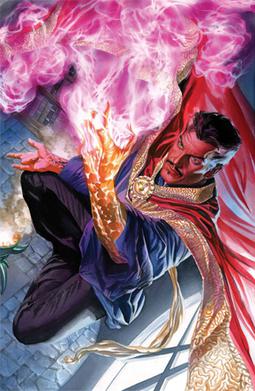
That I watch to calm myself down when I have anxiety or depression. The first one is Dr. Strange. It grew on me. I’m not sure when it became a comfort movie for me but it is now.
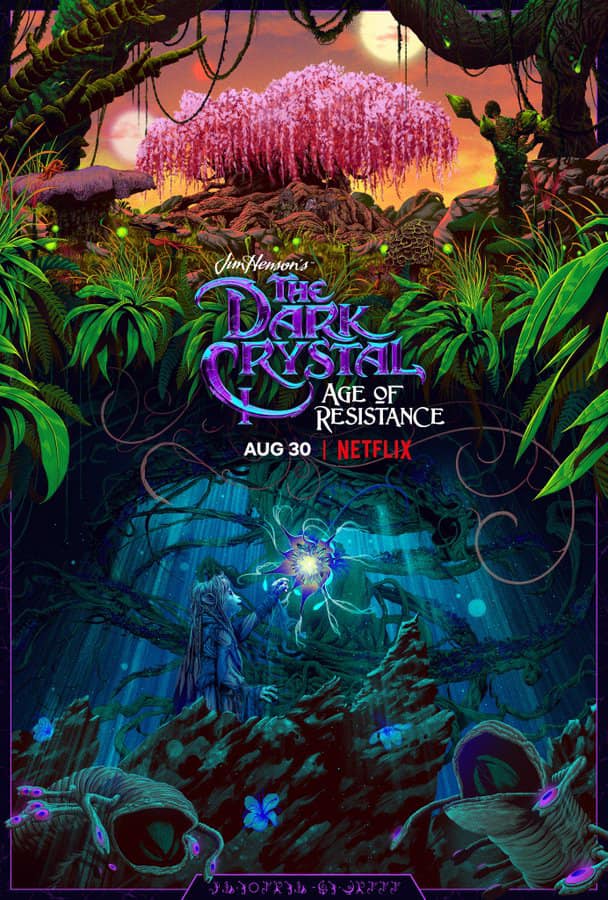
The second one is Dark Crystal by Jim Henson and was a comfort movie for me since the first time I watched it. Dark Crystal has something about it that keeps me coming back for more.
I won’t say much so I don’t spoil it but I’m going to mention some of my favorite characters.
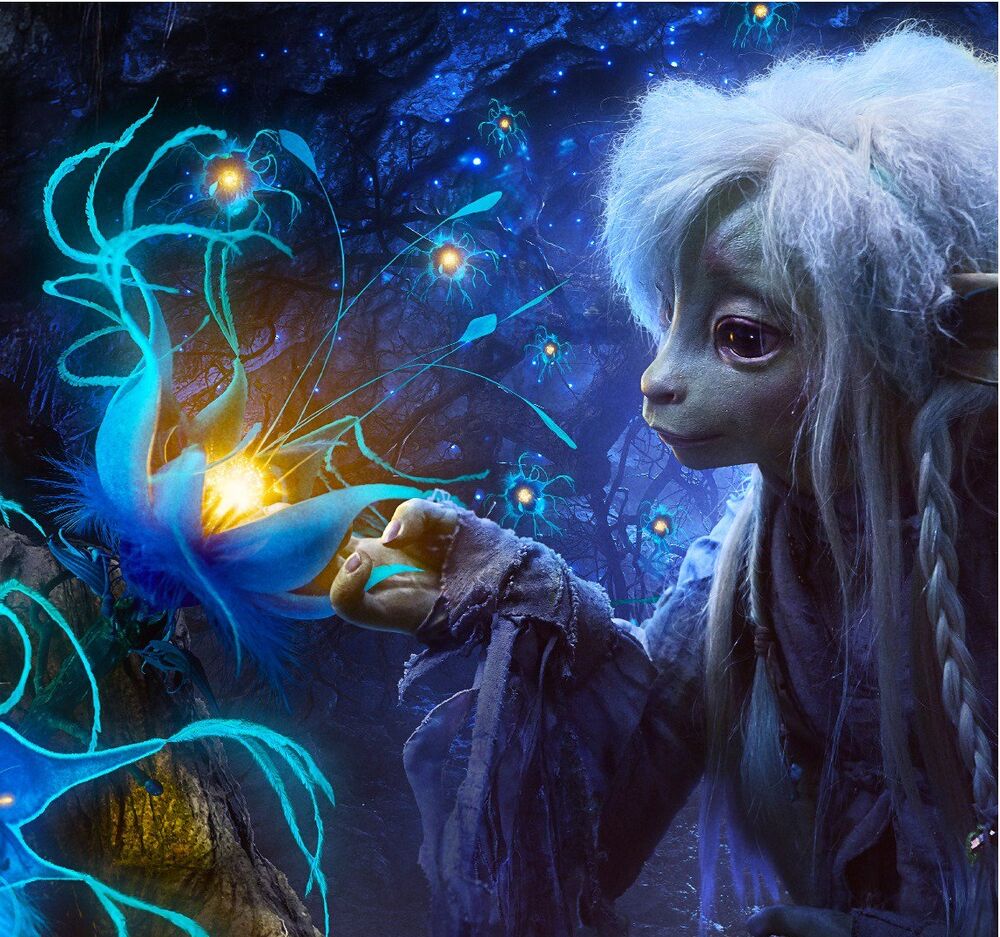
My all time favorite is Deet. She also reminds me of one of my close friends from middle school.
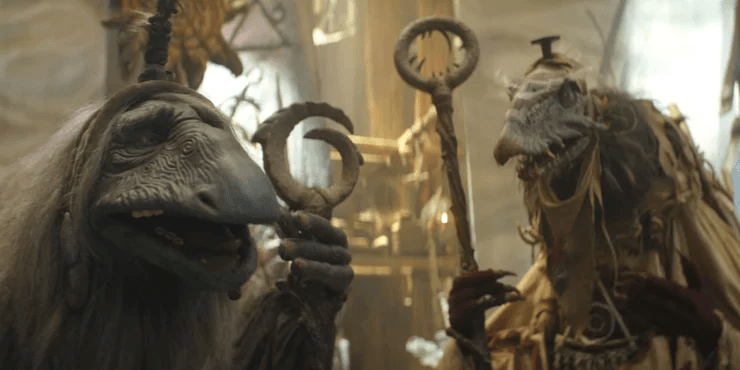
My second favs are a pair of heretic skeksis, Urgoh and Skekgra. I absolutely love their interactions and their role in the story. They bring a lot of character to the film.
What are your comfort movies?

The art that comes out of me when I’m alone is much different from the art that comes out of me when I’m surrounded by people. The art the comes out of me when I’m rested is different from the art that comes out of me when I’m exhausted. I like to write in all different environments but mostly I start writing around 10pm every night by habit.
Lately, it’s been tough though.
A while ago, I read that art dates help. I’ve noticed in the past they help to keep me moving forward. What’s an art date? It’s when you take yourself out to get art supplies. You take your time and get what ever lights your fire. (The dollar store has a great art supply section these days.) Then you spend a couple hours creating in solitude. It’s suggested by the writer Julia Cameron in her book titled, The Artist’s Way.
Tomorrow I might have to try it. But I might just need to write and wait it out until it shifts.

Jayne.PressSep 28 · 1 min read
A micro story about a girl who lied

“I’m going to Venice,” she says. “I’m late for my flight.” Her empty palms show as she waves goodbye to her friends. She freezes for a moment to sip from her piping hot cup of coffee, then rushes off down the road. A few blocks later she takes one last sip of her coffee and tosses it in the trash as she walks into her favorite bar. Smells like last night, and sweat. She never liked the smell much. Makes her head hurt but the bartender knew how to make her drinks and in what order, so she kept going back.
This was originally published on The Intoxicating Unhinged Mind There’s some amazing writers contributing to this publication. When you have a moment you should check them out.
Jayne.PressSep 23 · 2 min read
Let’s crawl out of there

Do you know how far you’ve come? Do you know how many times you were this close to giving up. When I say giving up, I mean throwing in the entire towel. But look at you, not only are you here, but you’re doing something about it. You work hard everyday writing. I don’t care if it’s reading writing, listening to someone singing writing, thinking about your writing, it all counts. Most people are not thinking about the next sentence, or the next best one liner that says it all. They’re thinking about work and vacations and trying not to think at all. But you are. You’re thinking about thinking, you’re thinking about what other humans are thinking, and my goodness you’re probably wishing for more clear thinking. That’s why you’re here. That’s why you’re a writer. So let’s over this hump, shall we?
Admit it, you love the way writing a good piece makes you feel. I was listening to a motivational video the other day and he said, you can’t hate something you don’t love. You love writing so much, it’s gotten you into this place full of sludge. Unsatisfactory movement. Remember that writing is an act. An act that you have complete power over. The worst feeling is staring at the blank page and not one thing comes to mind. On those days, I settle with what comes out because for me writing something is better than writing nothing at all. So let’s put writing in its place. We are the writing. You are the writing. It is yours to completely and utterly control.
Now is a good time to go write something terrible. You don’t even have to finish reading this. Open a blank page and unleash the garbage that comes out and let it go. You may find it’s not as terrible as you thought. Or you may still think it’s shit, write anyway.

Writers inspire me! Thank for all you do!
Connect with me on Instagram @jayne_Press
Have you lost yourself in societal expectations?
Our housekeeping is mendicant, our arts, our occupations, our marriages, our religion, we have not chosen, but society has chosen for us. -Ralph Waldo Emerson taken from his essay titled Self-Reliance
Have you lost yourself in societal expectations?
Trying to meet the expectations of everyone around us ultimately leads to depression and feelings of failure because it’s impossible to meet everyone’s expectations. Everyone is going to have an idea of what you’re “supposed” to be doing. But the only person on this earth who truly knows what you should be doing, is you.

Unsure of what you’re supposed to be doing? It reminds me of Picasso’s quote,
It took me four years to paint like Raphael, but a lifetime to paint like a child.
Lost? That’s the best place to start. It’s ok to not know what you’re doing yet. Give yourself full permission to figure that out. Whatever that looks like. And of course not everyone will understand. That’s part of it. Finding what you love is hand in hand with stepping away from everything that you’re not. Step toward the ones who take time to understand.
Invest fully into finding or doing what you love and don’t be swayed by what others think you should be doing. Because if they were doing what they loved, they wouldn’t have time to be swaying you to do anything other than what you love. They also wouldn’t because they know what it takes to live what you love, hard work and dark nights alone with nothing but the glitter of a dream.
I didn’t learn this from people who were born wealthy and I didn’t learn this from people who were born in poverty and never found their way out. I learned from people who had a dream and didn’t give up even in their darkest moments.
Will Smith
Steve Jobs
Steve Harvey
I’ve even read books about writers in their darkest moments like Scottish author Robert Louis Stevenson who according to wikipedia “despite [his] ill health, during his three years in Westbourne, Stevenson wrote the bulk of his most popular work: Treasure Island, Kidnapped, Strange Case of Dr Jekyll and Mr Hyde (which established his wider reputation), The Black Arrow: A Tale of the Two Roses, A Child’s Garden of Verses and Underwoods.”
Don’t let the crowd sway you from who you are and what you’re here for. They will try their damndest to get you to conform just like them. Don’t let them.
Check me out on instagram @Jayne_press
Last post I gave Six Tips on How to Start Writing
Let’s write books !!
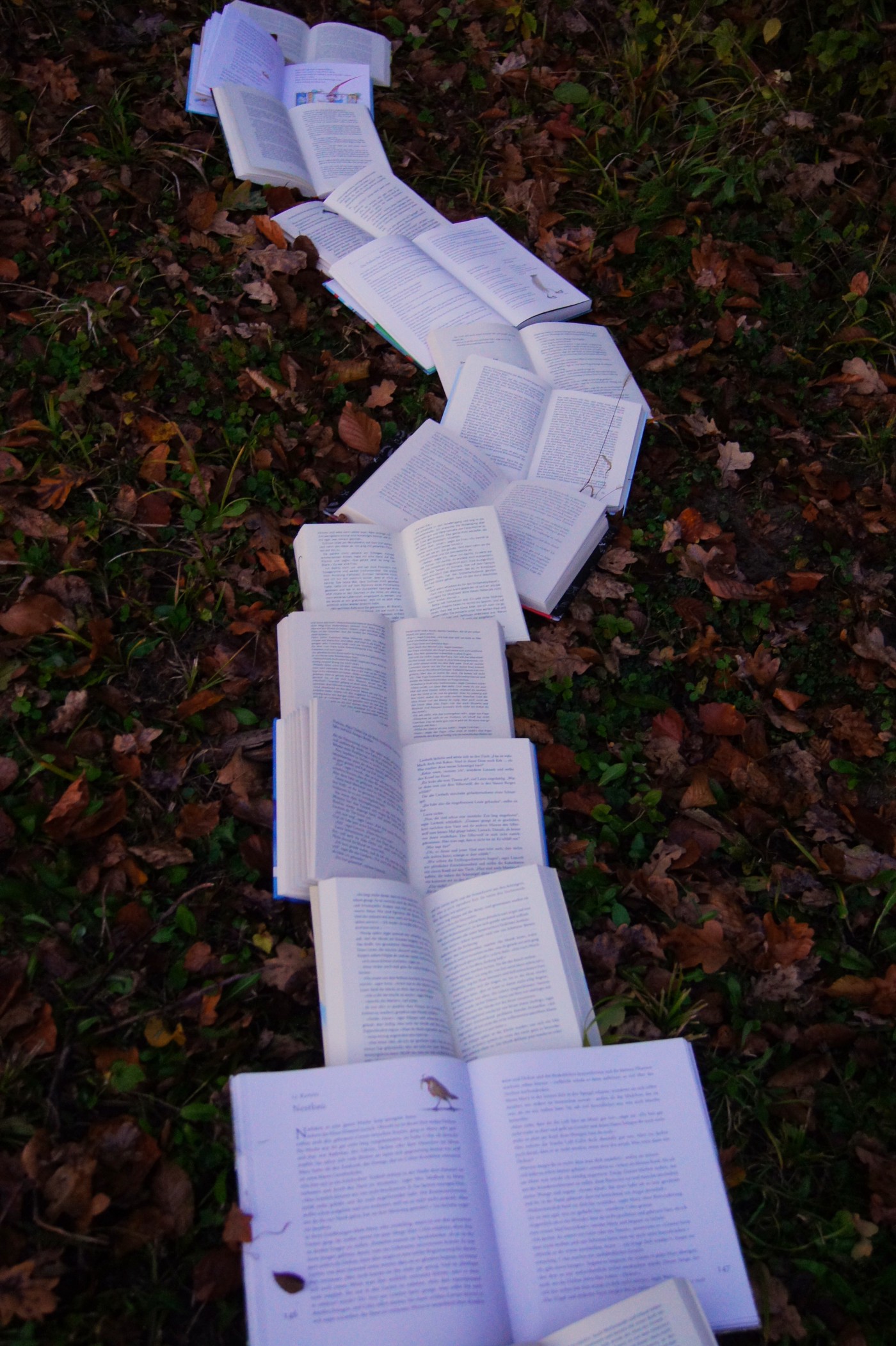
There are people out there who write entire books. You say you wanna write. You say you have a great story with great ideas. There’s only one thing stopping you from getting a great story from inside your head and onto paper. The only thing stopping you is you. That’s no hard truth. We all have priorities. We all have responsibilities that keep us from where we should really be. So how can you start?
The first way to start doesn’t have to be banging out the whole book in one night. Keep a notebook and jot down your ideas throughout the day. Or use your notes app on your phone and organize an outline. We live in a world the worships hustle culture. But as writers we don’t follow what the world does, we write to change the world. This leads to the next point.
There’s no right way to write a rough draft. Every writer starts their story differently. Some people write outlines scene by scene. But others including Stephen King go right in for the kill with only a vague idea. Some people use post-it notes and those boards kids use for science projects. Try different ways to get the story out that fits into your lifestyle.
Some people claim you don’t have to write every day. And you know what, you don’t. But the best defense against writer’s block is writing something every day. When you write because of discipline, it’s not the unreliable couple, motivation and inspiration that’s progressing you forward on their terms only. Using discipline places you in control. It’s this that gets you the finish line. Also what’s great about writing your story every day is that it keeps you in touch with your characters. And when you’re in touch with your characters it’s easy to know what choices they are going to make. This is why it’s best to choose discipline.
The greats are great for a reason. There’s something about comparing great works of fiction to their author. It’s almost as if the book loses context without understanding the life of the writer.
Seriously though. Life’s too short to not have fun doing what you love. I used to get so angry. I used to throw huge fits and give up writing for days. Felt worse when I didn’t write than when I was frustrated. But then I started paying attention to the movies and books I loved. They don’t feel like the author trudged through them. They do feel like the authors paid attention to detail while using techniques that engaged the audience. Take your writing seriously and but don’t take it so seriously you lose a sense of play.
There comes a time in every man’s education when he arrives at the conviction that envy is ignorance, that imitation is suicide; that he must take himself for better, for worse, as his portion; that though the wide universe is full of good, no kernel of nourishing corn can come to him but through his toil bestowed on that plot of ground which resides in him to till. -Ralph Waldo Emerson, Self Reliance
You can read more of my work on Medium. Swing by and leave me a comment @jayne.press
Let’s Discuss
There are a few different things that come to mind when we think about what it means to live. There’s the idea that we are walking, talking, breathing human beings that eat, sleep, and poop. Then there is the choice to live. To wake up and do more than just survive. This mindset looks like, tasting new things, going on adventures, saying yes to rest and no to unnecessary overtime. What would we even need to choose to live?
Before we talk about what we need to live, we should ask, what gets us to intentionally make choice to live? Is it desperation? Is it courage? What shifts our mindset from staying safe in monotony to taking on new risks and adventures? Some might say books do it for them. Some might say they are part of a community of people who inspired them. Then there’s some who believe it’s all in the stars.
Then again, maybe the right question to start with would be where did it go? There’s a lot of things in life that clam us up. There’s grief and trauma and unacknowledged behaviors. These are all good reasons to clam up. There’s a million smart reasons to stay safe in your own little shell. I’m not here to convince you either way. I’m just here to understand how to make the shift.
Let me know what you think in the comments
This was originally published on the publication titled Know Thyself Heal Thyself
How to keep writing even when flooded of uncertainty
When we start writing our novels and our poems we have this grand idea. It starts in our head. Then we find different ways to get it out on paper whether writing outlines or going right in and developing the piece as we go. The process of getting from the depths of our mind onto paper is not always a walk in the park. In some divine moments stories pour out of us, those are not the times I’m talking about here. I’m talking about the stories where we have it at the tip of our tongue. Those moments that come and it seems like you can’t see which way to go next. That is exactly when uncertainty floods us with doubt. It’s not a good feeling, but great news, I’m here to help!
When we feel like we have no idea what’s coming in life and in writing, the first thing that hits us like a load of bricks is fear. It’s fear from loss of control. It’s fear from failure. It’s fear from looking stupid. Uncertainty floods us with all sorts of feelings, but that’s just it, they are just feelings. So when you feel uncertainty hit you like a load of bricks, it feels like the best option is to doubt success. Especially because you’re so uncertain, you don’t even know what success would look like.
Now you acknowledge those feelings. You take the time to accept that you have no control and you are now in unknown territory. These feelings are ok. These thoughts and feelings put us on guard and keep us safe. So let them come.
We’re talking about writing and the uncertainty that comes with it. We’re talking about your story. So let’s think about this some more. Your story is in your hands. It’s in your complete control. So now with that shift in mindset, which isn’t always simple, we’ve gained the control we had when we started. The control that says, this is your story and you can do with it what you may.
Think of those times when you were a child and you were most amazed by something. Whether it was an ant carrying a leaf ten times its size. Or whether it was a scene in a movie that lit your fire so much you couldn’t believe your eyes. Allow that wonder to carry you along. Surprise yourself with all the options you have to create something spectacular. And then let that magic flow into the uncertainty like a candle on the water.
The only way you fail in writing, is not writing at all. An book that sells 30 copies or 2 copies is not a failed book. No matter what the world tells you, your art is monumental. Sometimes it takes tweaking in the story, sometimes it’s marketing but always the final product is about acknowledging you and the hard work you’ve done to get where you are.
Keep Going.


 Jayne.press
